
10 Profitable Agribusiness in Nigeria
Nigeria’s agricultural sector forms a vital part of the nation’s economy, contributing over 23% to real GDP as of early 2026, as well as providing a source of livelihood, survival, and employment for millions of people. In this blog post, we’ll be analyzing the top 10 most profitable agricultural business in Nigeria and how to get started.
Farming in Nigeria is replete with opportunities, offering the possibility of financial freedom for individuals and economic growth for the nation as a whole. In a country with a population of over 200 million and counting, the demand for food and agricultural products continues to skyrocket daily. And anyone who ventures into these top 10 profitable agribusiness in Nigeria armed with the right knowledge and information stands a strong chance of success, whichever niche they choose.
In no particular order, these are the top 10 profitable agribusiness in Nigeria.
-
Poultry Farming
The poultry industry is one of the most successful in the agricultural sector, thanks to the country’s teeming population and the fact that eggs, chicken, and turkey meat are among the most common sources of protein in Nigeria. It involves raising domestic birds like chickens, turkeys, and ducks to produce eggs, meat, and more for human consumption. To get started as a poultry farmer, you must first decide on the type of poultry farming you want to go into. There are primarily four major types:
- Chickens: These are the most common type of poultry in Nigeria and worldwide. Chickens are raised for both egg and meat production.
- Broilers: Fast-growing birds raised mainly for their meat. These offer the fastest turnover and return on investment.
- Layers: Hens raised primarily for egg production. These mostly yield the highest long-term margins and the most consistent cash flow.
- Noilers: Dual-purpose chickens raised for both eggs and meat. With noilers, you get the best of both worlds.
- Turkeys: Larger birds raised primarily for their lean meat.
- Ducks & Geese: Not as popular in the Nigerian market, but also raised primarily for their eggs and meat.
With a considerably low initial investment — anywhere from ₦100,000 to ₦300,000 — coupled with adequate knowledge and the right know-how, you can become a successful poultry farmer in Nigeria.
- Goat Farming
Goat farming is a highly profitable agribusiness with low risk and high return on investment. Typically, you can start a micro-scale goat farm with about two does (female) in your backyard for roughly ₦200,000. Male goats (bucks) typically reach maturity between 4 and 7 months, while female goats (does) mature at about 10–12 months. When you think about how much money you can make from goat farming, you can rest assured, it offers a solid profit margin thanks to low startup costs, quick turnover and reproduction, and versatile revenue streams, as you can sell the meat, milk, or manure. The most popular breed for goat farming is the West African Dwarf.
- Pig Farming
There are many notable characteristics of pigs that make them a very profitable agribusiness venture. One is their high proliferation rate: a sow can birth 6 to 12 piglets at once after being pregnant for only about 114 days. Furthermore, a pig reaches maturity and market weight in just 6–8 months. Pork is also a common delicacy in Nigeria, with many families consuming it as a protein source. In addition, pigs have low feed costs due to their efficient feed conversion rate. The most common breeds for pig farming in Nigeria are the Yorkshire, Landrace, Hampshire, and Duroc.

The startup cost for pig farming is highly dependent on the housing type and construction, as well as the cost of acquiring the pigs. Initial investment can range from about ₦300,000 aside housing for a small-scale setup to ₦1 million or more for a medium-scale one. Demand for pork in Nigeria is at an all-time high, driven by the growing population, shifting health consciousness, and restrictions on pork imports.
- Snail Farming
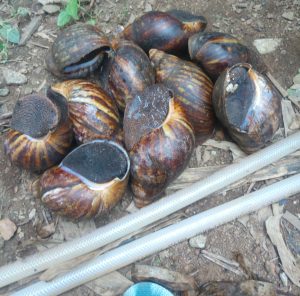
Snail farming, also commonly known as heliculture, is another low-cost agribusiness you can start from the comfort of your home. It is one of the most profitable livestock agribusiness in Nigeria. It’s fast gaining popularity in Nigeria due to its low startup cost, excellent reproductive potential, and low feed cost. With as little as ₦100,000, you can begin your own snail farm in your backyard. All you need is an enclosed area with proper ventilation, some loose loamy soil, and fresh vegetables to feed your snails.
To ensure profitability, these breeds are preferable for their adaptability to local climates: Achatina achatina, Archachatina marginata, and Achatina fulica. Typically, it takes roughly 16 months for a snail to reach full sexual maturity and size.
- Cashew Farming
Cashew farming is among the top profitable agribusinesses in Nigeria due to mounting international demand. As of recent years, Nigeria has remained one of the largest producers of cashew in the world, and export demand continues to rise yearly. Cashew is a highly sought-after product in the global market. A typical traditional variety can begin yielding fruit within 4–5 years, and a mature tree can produce roughly 7–11kg of nuts annually. To begin cashew farming in Nigeria, you need to consider land acquisition and the variety of cashew you intend to grow.

- Agro processing
This typically involves transforming raw agricultural produce into valuable products such as food and beverages. Agro processing is a profitable agribusiness idea in Nigeria because it serves as a bridge between two major agricultural value chains; farming and manufacturing. As an agro processor, your profit lies in reducing post-harvest losses, extending produce shelf life, and ultimately generating wealth. There are various examples of agricultural processing you can venture into, e.g., processing cassava into garri, maize into flour, palm fruits into oil, or fruits into pastes. Agro processing will continue to remain highly profitable due to its immense untapped potential, driven by increased demand for food security and processed food products. 10 profitable Agribusiness in Nigeria.
- Cattle Farming
Cattle farming will forever remain a highly profitable agribusiness idea in Nigeria as a result of the versatility of cattle by-products: meat, milk, hide, hooves, cheese, and even manure. You can make money from selling any or all of these. In addition, beef is one of the most popular protein sources in Nigeria, so you already have a ready market. Though primarily concentrated in the northern regions of Nigeria, it’s an agribusiness that anyone with the right knowledge can venture into. Many cattle farmers rear them mostly for beef production, and the primary breeds are White Fulani and Red Bororo. To go into cattle farming, you must decide on the type of cattle rearing you want to practice, intensive, semi-intensive, or extensive farming, as this will largely influence your startup cost. You must also decide whether you want to rear cattle for their meat, milk, or both.
- Vegetable Farming
Vegetable production is a highly profitable, fast-paced agribusiness due to the country’s extensive population and diet demands. Some of the most profitable vegetables to farm in Nigeria are tomatoes, peppers, fluted pumpkin (ugwu), okra, jute leaf (ewedu), and cabbage. These vegetables are popular due to their high demand, being staples in many Nigerian dishes, as well as their short life cycles. Success in vegetable farming is far more likely as long as there is adequate knowledge, irrigation, and a ready market to avoid perishing.
- Oil Palm Farming
Oil palm farming can basically be referred to as a goldmine agribusiness due to its continued return on investment throughout its shelf life, as well as its versatile income streams. Using a 1-hectare oil palm plantation as a reference, it produces roughly 10–18 tons of fresh fruit bunches per year, which then go on to generate crude palm oil, palm kernel oil, palm kernel cake for animal feed, and shells. Once planted and established, an oil palm continues to generate income for 20+ years, requiring only maintenance costs. The increasing demand and comparatively low supply of palm oil also make it a high-yielding farming business idea. It generally takes about 3–4 years from planting for an oil palm tree to reach maturity and begin producing marketable fruit bunches, and a mature plantation can be harvested multiple times throughout the year. To venture into oil palm farming, you need to conduct extensive research as well as seek expert guidance. 10 profitable Agribusiness in Nigeria.
- Fish Farming
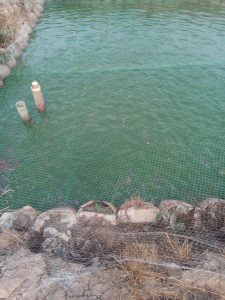
Fish farming is another highly profitable agribusiness in Nigeria as a result of the large population, as well as it being one of the cheapest sources of protein available to Nigerians. Demand is significantly higher than current domestic production, which means fish farmers consistently enjoy a strong return on investment. The most commonly farmed species is catfish, followed closely by tilapia. Aside from selling fresh fish, many fish farmers also go the extra mile to increase shelf life by smoking and drying their produce. To establish a small-scale fish farm in your backyard, it would cost roughly ₦200,000–₦500,000, highly dependent on the size, pond type, and quantity of fingerlings stocked. Fish typically take anywhere from 3–6 months to mature, depending on the species, feeding, and preferred weight at harvest. To ensure a successful fish farm, you must select an excellent location, construct a proper fish pond, and use healthy fingerlings.
Conclusion
These top 10 profitable agribusiness show that success in Nigerian agriculture isn’t limited to large-scale farmers with deep pockets. From goat farming that can start with ₦200,000 to oil palm plantations built for the long term, there’s an option to match different budgets and goals.
The common thread is demand: Nigeria’s population keeps growing, and food supply hasn’t kept pace. That gap is where the opportunity lies.
Before you start, research your chosen niche thoroughly, understand the real costs involved, and be prepared for the risks that come with farming: from weather to logistics to market prices. With the right preparation, any of these ten agribusinesses can be a solid path to income and long-term profit.