
Pineapple Farming in Nigeria: An All-You-Need Guide
As a farmer in Nigeria, pineapple farming is one of the most lucrative and profitable ventures you can explore. The market for pineapple farming in Nigeria remains largely untapped because many farmers are unaware of the numerous advantages it offers. Currently, the Nigerian market struggles to meet local demand, let alone global demand. This means there is enormous potential in this business.
Venturing into this market is highly profitable. If you’ve been searching for a commodity that guarantees great returns on investment, pineapple farming might be your golden opportunity. This guide tells you everything you need to know before starting your pineapple farming business.

Advantages of Pineapple Farming as a Business Venture
1. High Demand: Pineapples are a favourite fruit in many Nigerian households. While many consume the fruit as it is, others blend it with different fruits to make juices and smoothies. As such, the demand for pineapples is consistent throughout the year.
2. Adaptability and Resilience: Pineapples thrive in various climatic conditions, making it possible to cultivate them in most parts of Nigeria.
3. Profitability: Pineapple is a perennial crop that can continue producing fruits after the first harvest through side shoots (suckers and ratoons). Each plant produces one main fruit, after which new shoots develop and can produce one or two additional harvests under good management before the field is typically replanted. With growing local and international demand, pineapple farming remains a profitable investment opportunity.
How Profitable is Pineapple Farming in Nigeria?
Pineapple farming is a long-term agribusiness that rewards farmers with consistent returns when properly managed. Although the crop requires patience, the investment is worthwhile.
A pineapple sucker typically takes about 18 months to produce its first fruit under good management practices. After the initial harvest, the plant produces side shoots (suckers and ratoons), which continue the production cycle. This means farmers do not need to replant immediately after the first harvest. With proper field management, a pineapple plantation can remain productive for many years, although commercial farmers often replant after one or two ratoon crops to maintain high yields and fruit quality.
Establishing a pineapple farm is relatively capital-intensive, mainly due to the cost of planting materials and land preparation. However, the long-term income potential makes it a worthwhile investment.
A typical acre of land can accommodate 10,000 to 15,000 pineapple plants, depending on the planting density and production system. If each sucker costs approximately ₦100, the cost of planting materials alone ranges from ₦1 million to ₦1.5 million per acre.
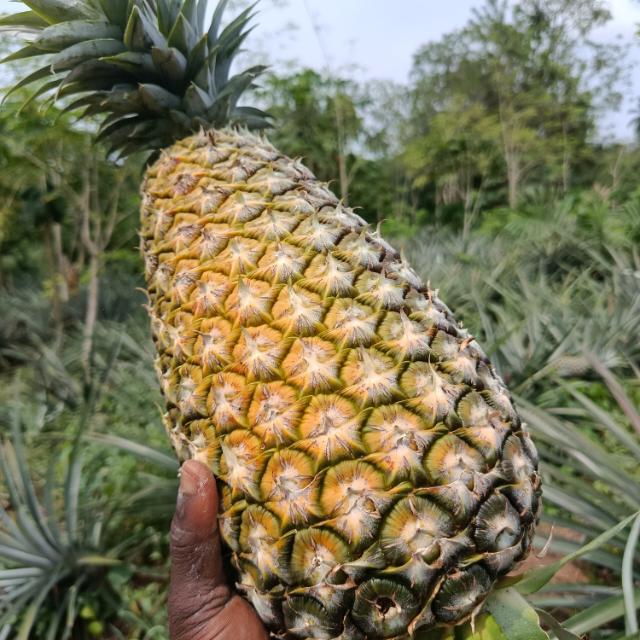
One of the most widely cultivated varieties in Nigeria is the Smooth Cayenne, valued for its large fruits, excellent taste, and suitability for both fresh consumption and processing.
Depending on the fruit size, market location, and season, a mature pineapple can sell for between ₦500 and ₦1,500 per fruit. During periods of high demand or in premium markets, farmers can earn even higher prices, making pineapple farming a profitable enterprise for investors who adopt good agronomic and marketing practices.
However, just like any agribusiness, several factors determine the profitability of pineapple farming.
Factors That Determine the Profitability of Pineapple Farming
1. Availability of Capital: The amount of capital you have determines the scale at which you can operate how many suckers you can purchase, the size of your farmland, and so on.
2. Farm Size: Ideally, commercial pineapple farming should start from 2 acres. However, first-time farmers can begin with backyard farming. Pineapple farming offers flexibility to start small and scale up gradually.
3. Technical and Management Skills: The success of your pineapple farm largely depends on your knowledge. Knowing when to plant, the right variety, proper spacing, and other technical factors is key to maximizing profit.
Since we’ve seen that pineapple farming has great profit potential, it’s important to understand the costs involved.
Cost of Starting Pineapple Farming in Nigeria
1. Farmland: This is a crucial resource. The cost varies based on your location and whether you’re renting or purchasing.
2. Planting Materials: Pineapples are propagated through suckers. A single sucker costs a few hundred naira, and you’ll need about a thousand for a small farm.
3. Land Preparation and Planting: This includes labour costs for pre-planting activities such as clearing and ploughing.
4. Irrigation: Depending on the location of your farm, you may need to invest in irrigation systems.
5. Maintenance: Costs include fertilizer, pest control, and weeding.
6. Harvesting and Transport: Post-harvest costs like packaging and transporting to the market should be considered.
All these costs must be considered before venturing into pineapple farming. However, even as a small-scale farmer, the growth potential of the business is enormous.
With the increasing demand for fresh pineapples from households, fruit vendors, supermarkets, hotels, and fruit juice processing companies, a single pineapple can sell for between ₦500 and ₦1,500, depending on its size, quality, season, and market location.
For example, if you harvest 9,500 marketable pineapples from one acre and sell each fruit at ₦500, your gross revenue would be ₦4,750,000. Even after deducting the costs of land preparation, planting materials, fertilizer, labour, weed control, and other production expenses, the enterprise can still generate an attractive profit. This strong income potential is one of the reasons many investors regard pineapple farming as a “goldmine” when managed efficiently.
Processes Involved in Pineapple Farming
Starting a pineapple farm in Nigeria can be profitable with the right resources and planning. Here’s a roadmap:
1. Research and Planning: Understand industry best practices for planting, harvesting, and marketing pineapples.
2. Land Preparation: Choose fertile, well-drained land. Clear and plough the soil and apply necessary fertilizers.
3. Planting: Use quality pineapple suckers. Plant them 6-8 inches deep, spaced 1-1.5 meters apart in rows 2-3 meters wide.
4. Maintenance: Water regularly, weed the farm, and apply appropriate fertilizers.
5. Harvesting: Pick ripe pineapples when they are yellow, aromatic, and fully matured.
6. Marketing: Sell to local markets, supermarkets, or export to international buyers.
Pineapple farming in Nigeria PDF
Nigeria offers excellent conditions for commercial pineapple production, making it one of the country’s most promising fruit enterprises. This guide provides practical, step-by-step information on establishing and managing a profitable pineapple farm—from land preparation and planting to harvesting, marketing, and maximizing returns.
Click here to order
Conclusion
In conclusion, pineapple farming in Nigeria is a promising venture that can yield high returns if approached correctly. With the insights in this guide, you’re well on your way to launching a successful pineapple farming business. With consistency, proper planning, and a willingness to learn, the rewards are sure to follow.